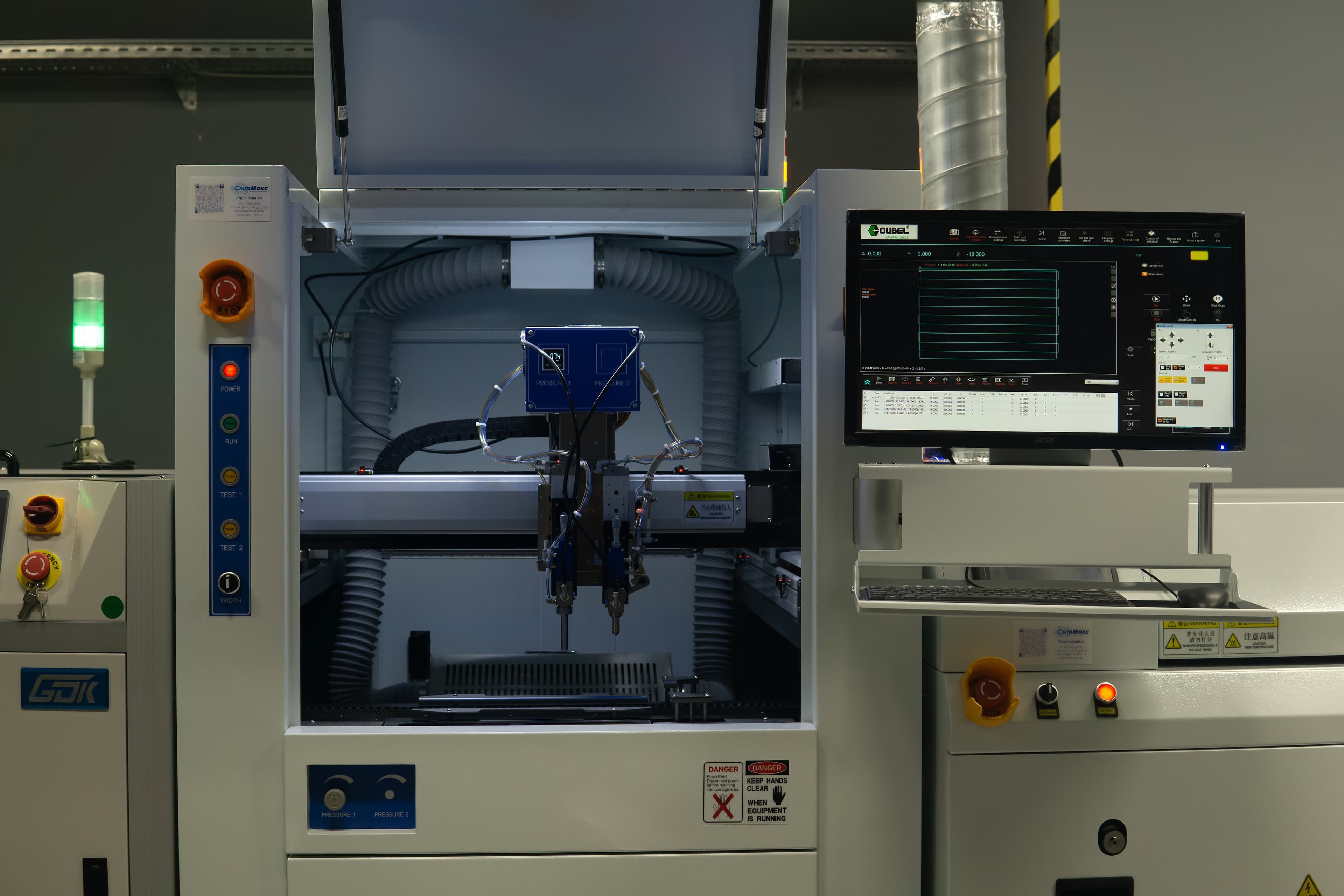
Challenges of Coating Complex Parts
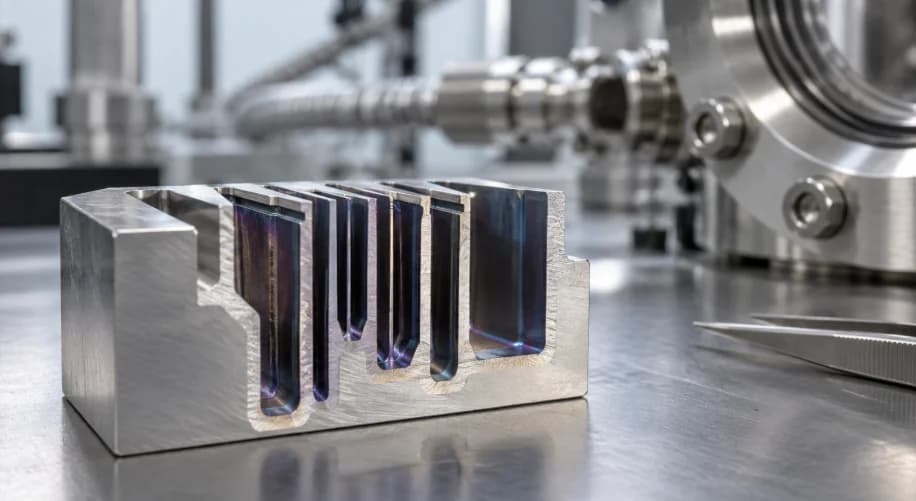
Complex components often contain surfaces that traditional line-of-sight coating methods cannot effectively reach. VaporPulse specializes in developing ALD coating processes for challenging geometries, including internal channels, high-aspect-ratio features, porous structures, and non-flat components. Our team evaluates each part's geometry, substrate, and coating requirements to determine a suitable approach.
Sprayed, sputtered, and evaporated coatings travel in straight lines from a source to the part. Anything that isn't directly visible to that source receives less coating, or none at all.
Shadowing: Edges, undercuts, and recesses block the coating flux and leave thin or uncoated regions.
Inaccessible surfaces: Bores, blind holes, and internal passages may not be reachable by any line-of-sight method.
Thickness uniformity: Film thickness can vary significantly between exposed faces and recessed features, which matters for barriers and tight tolerances.
Restricted internal access: Long, narrow channels limit how quickly reactive gases can reach and leave the inner surfaces.
How ALD Reaches Complex Geometries
In ALD, precursor vapors are introduced one at a time and separated by purge steps. Each precursor reacts only with the available surface sites and then stops, so once a surface is saturated, extra exposure doesn't add more material. Given enough time, vapor can diffuse into recesses and coat them to the same thickness as exposed surfaces.
There are practical limits. Deep or narrow features need longer precursor exposure and purge times, gas transport slows as features get narrower, and very long channels may require modified flow paths or fixturing. Our article on ALD uniformity in high-aspect-ratio features explains these factors in more detail.
Components We Evaluate
Internal channels: Flow paths, manifolds, and microfluidic passages.
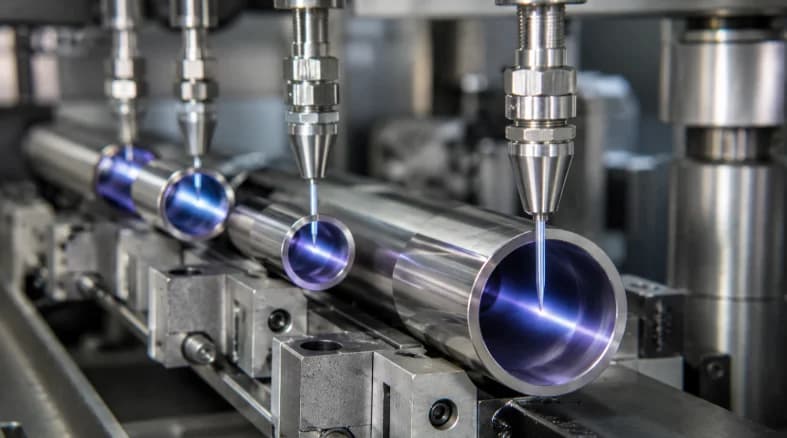
Narrow bores and tubing: Including the inside of small-diameter tubes. See how to coat the inside of stainless steel tubes.
Porous media: Foams, membranes, filters, and powders with large internal surface area.
Additively manufactured parts: 3D-printed components with lattices, internal features, and rough as-built surfaces.
Intricate assemblies: Multi-part assemblies and components with mixed materials.
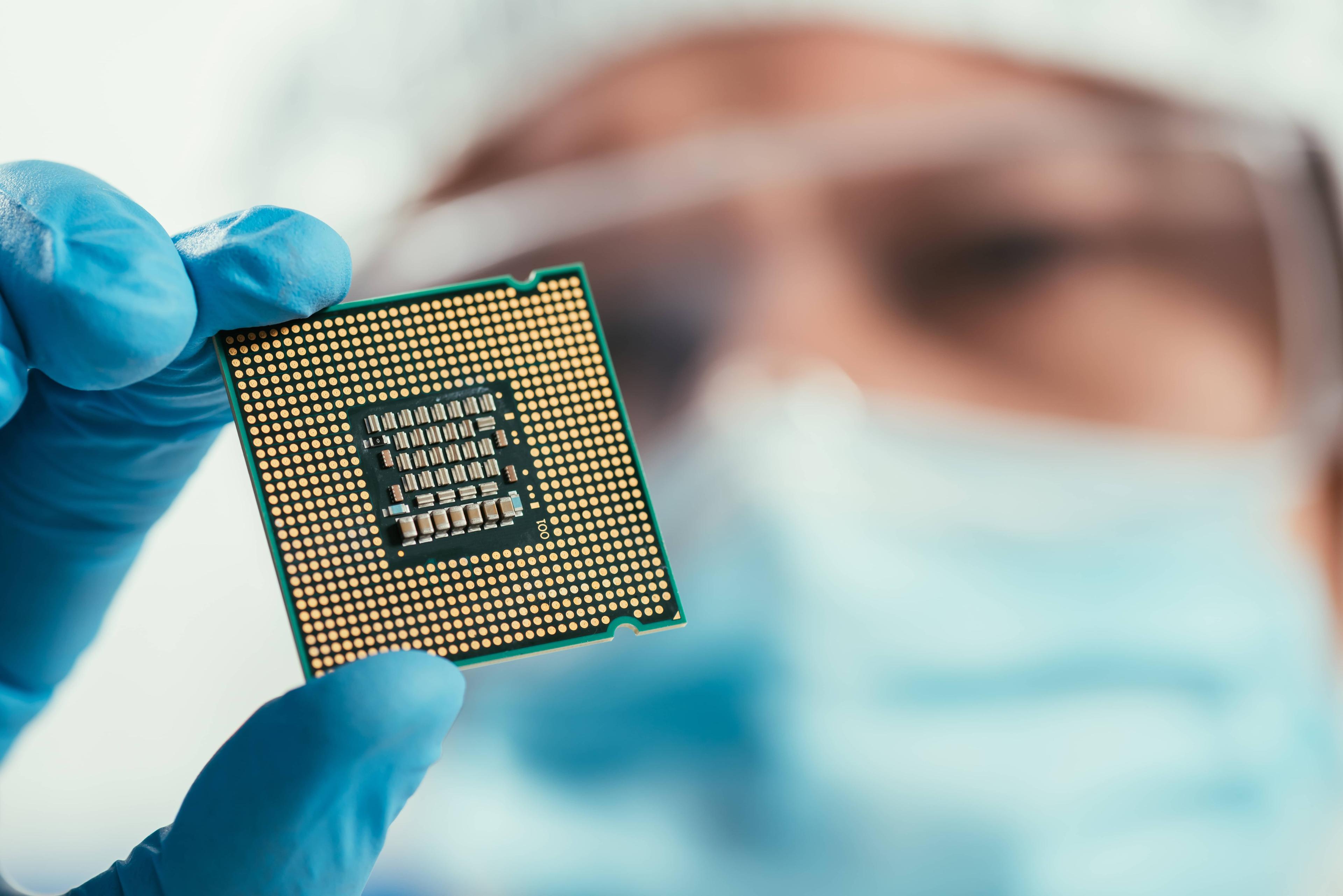

Coating Internal Surfaces
Whether an internal surface is fully coated depends on how much precursor reaches it and how well by-products are removed. We look at four factors when planning internal coverage:
Aspect ratio: The ratio of depth to opening width. As it increases, the precursor dose and time needed to saturate the deepest surfaces rise sharply.
Exposure time: Longer exposure or hold steps give precursor time to diffuse into deep features before the purge.
Precursor transport: Open ends, flow direction, and fixturing affect whether gas can move through a feature or only diffuse into it.
Surface condition: Contamination, residues, and oxides affect nucleation, so cleaning and surface preparation are part of the plan.
Low-Temperature and Plasma-Free Options
Many complex parts are also delicate. Polymers, organic materials, adhesives, and assembled devices can be damaged by high temperatures or plasma exposure. We use thermal, plasma-free processes with low thermal budgets for these parts. Read more about coating temperature-sensitive polymers and protecting polymer components without plasma damage.
Plasma-free processing also helps on complex geometries because plasma species tend to recombine before they reach deep features. Our thermal ALD vs plasma ALD article compares the two approaches.
Geometry and Coating Feasibility
A feasibility review lets us tell you early whether ALD can reach the surfaces that matter and what process changes may be needed. To start a review, it helps to share:
Drawings or CAD models, including the surfaces that must be coated
Critical tolerances and how much added thickness is acceptable
Internal dimensions such as bore diameters, channel lengths, and pore sizes
Substrate material identification and maximum temperature
Testing requirements and how coverage will be verified
For verification methods on complex parts, see how to verify ALD barrier coating continuity.
Frequently Asked Questions
Q1. Can ALD coat the inside of tubes and channels?
Often, yes. ALD precursors are delivered as vapor and can diffuse into internal passages. Coverage depends on the channel's length-to-diameter ratio, whether the ends are open, and the precursor exposure used. We evaluate the geometry and may adjust exposure, flow, or fixturing to reach internal surfaces.
Q2. Can 3D-printed parts be ALD coated?
Yes, many additively manufactured parts can be coated, including metal and some polymer prints. Rough surfaces, trapped powder, and internal lattices need to be considered during the feasibility review, along with the temperature limits of the print material.
Q3. How do you confirm coverage on internal surfaces?
Common approaches include sectioning test parts for microscopy, coating witness coupons alongside the part, and application-specific tests such as corrosion or barrier testing. The right method depends on the part and what the coating needs to achieve.
Q4. Can ALD coat porous materials, foams, and powders?
Yes. Because ALD precursors diffuse into open pores, it can coat the internal surfaces of foams, membranes, filters, and powders. These high-surface-area materials need more precursor and longer exposure times, so the process is adjusted to their pore size and total surface area.
Q5. What should I send for a geometry feasibility review?
Drawings or CAD files, the surfaces that must be coated, internal dimensions such as bore diameters and channel lengths, the substrate material and its temperature limit, acceptable added thickness, and how you plan to test the coating. Photos or a sample part are also helpful.