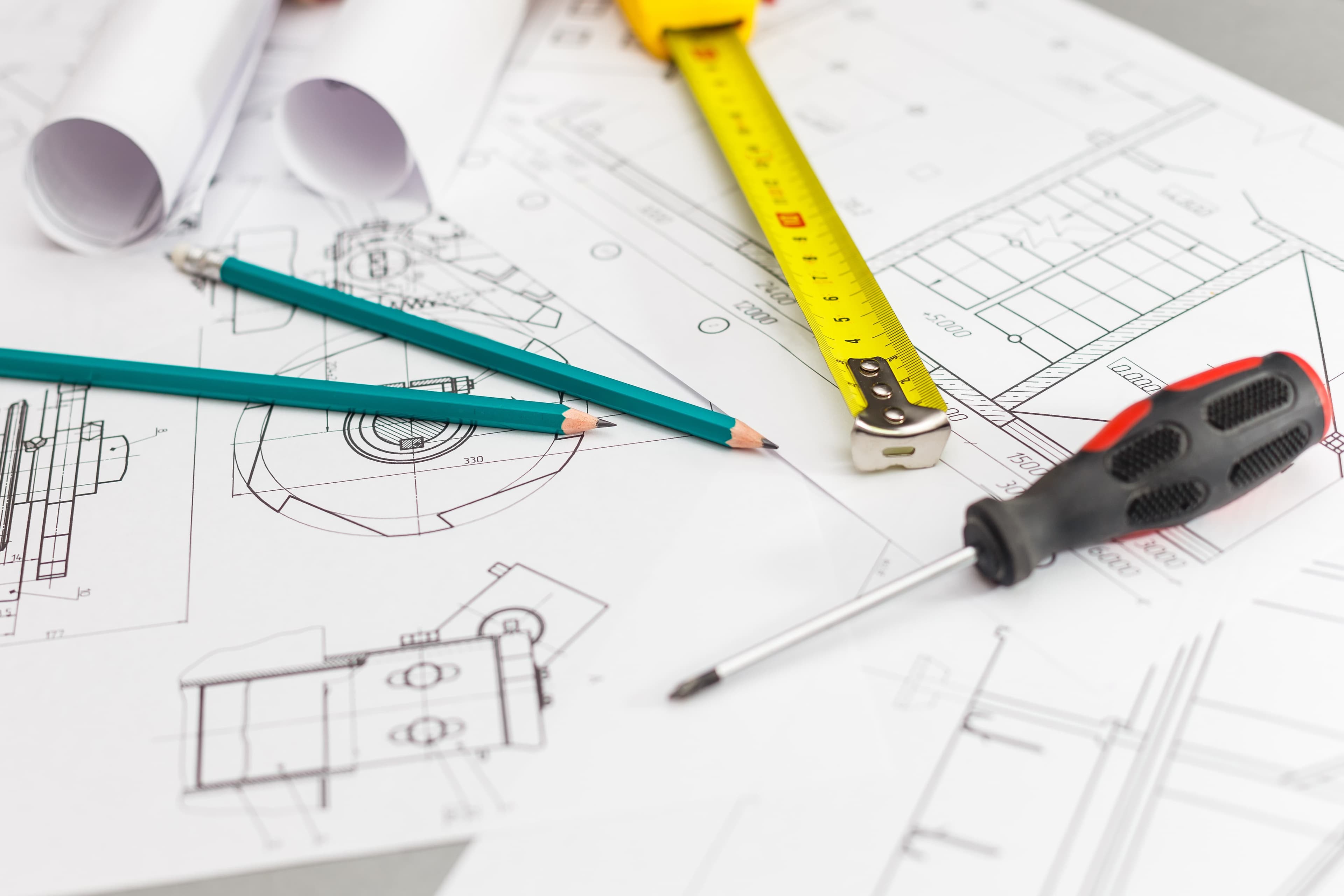
Custom ALD Research and Development
Developing a new coating often requires more than selecting a material from an existing process library. VaporPulse supports research teams and product developers with custom ALD process development, sample coating, and prototype evaluation. Whether the challenge involves a new substrate, specialized film chemistry, or unusual part geometry, our team can help investigate technical feasibility and identify a path toward repeatable processing.
Standard ALD processes are usually developed on flat silicon wafers at fixed temperatures. Real components rarely match those conditions. Custom development becomes necessary when:
The substrate cannot tolerate the temperature of a standard recipe
The film must meet a specific electrical, optical, chemical, or mechanical target
The part geometry requires longer exposures or special fixturing
A new material or multilayer stack has no existing process
Adhesion or nucleation on the substrate is poor with a standard chemistry
We work as an extension of your engineering team, with direct access to the people running the process and room to iterate as results come in.
Discuss an ALD Research or Prototype ProjectCoating Feasibility Studies
A feasibility study answers whether a coating can be applied to your part and perform as intended before you commit to a larger program. We evaluate:
Substrate compatibility: Material composition, outgassing, and how the surface responds to the precursors.
Thermal limits: The maximum temperature the part can see without damage or distortion.
Chemistry compatibility: Whether precursors or by-products could react with or degrade the substrate.
Surface condition: Cleanliness, roughness, and pre-treatment needed for good nucleation and adhesion.
Prototype and Sample Coating
Prototype coating runs produce parts you can test in your own application. Each development cycle is planned around a clear evaluation goal, such as film thickness, coverage, adhesion, barrier performance, or electrical behavior.
Sample preparation: Cleaning, handling, and fixturing suited to the part and the coating.
Witness coupons: Reference samples coated alongside your parts for thickness and film checks.
Development cycles: Iterative runs that adjust process parameters based on your test feedback.
Planning to send parts? See how to package and ship prototype parts for ALD coating.
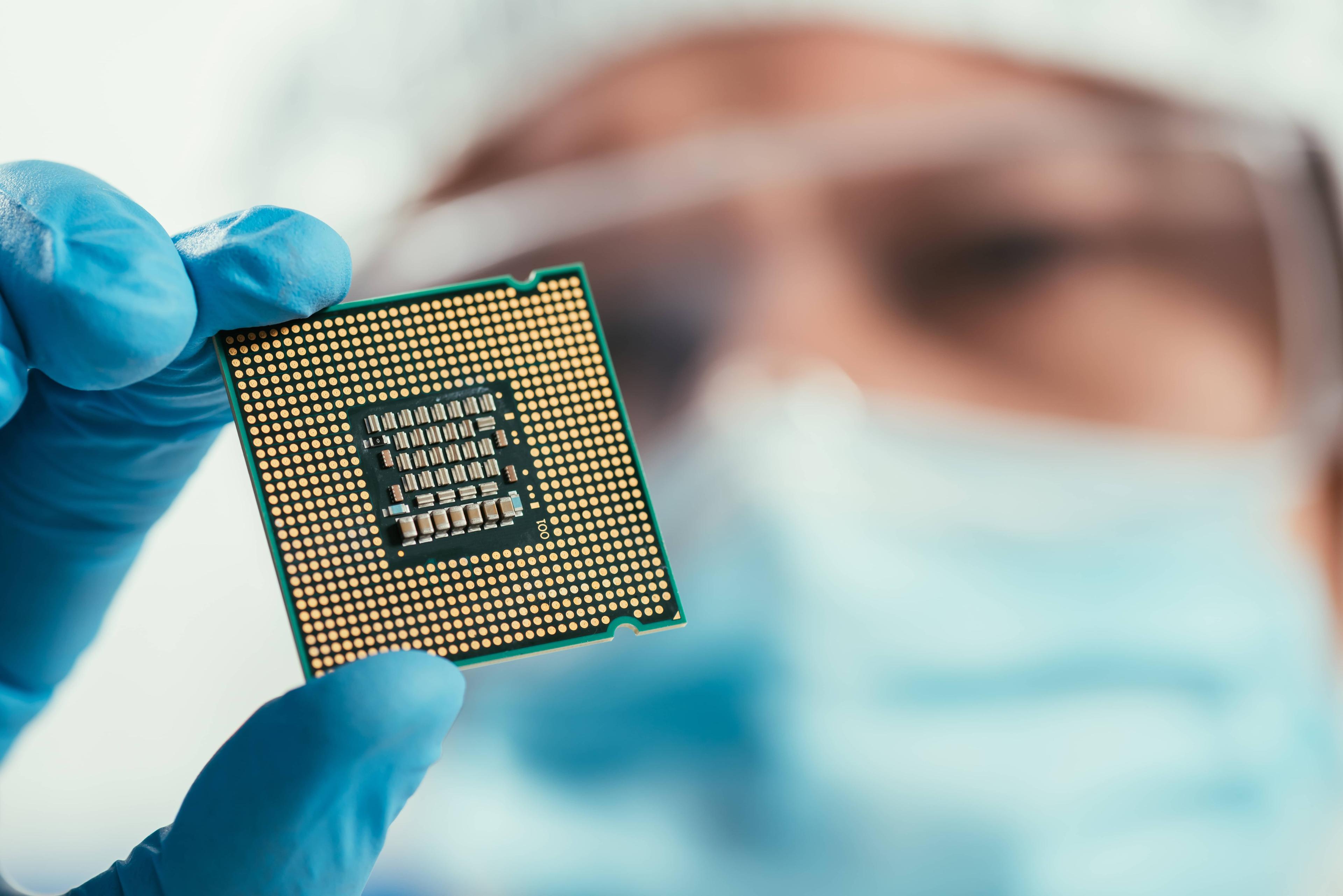
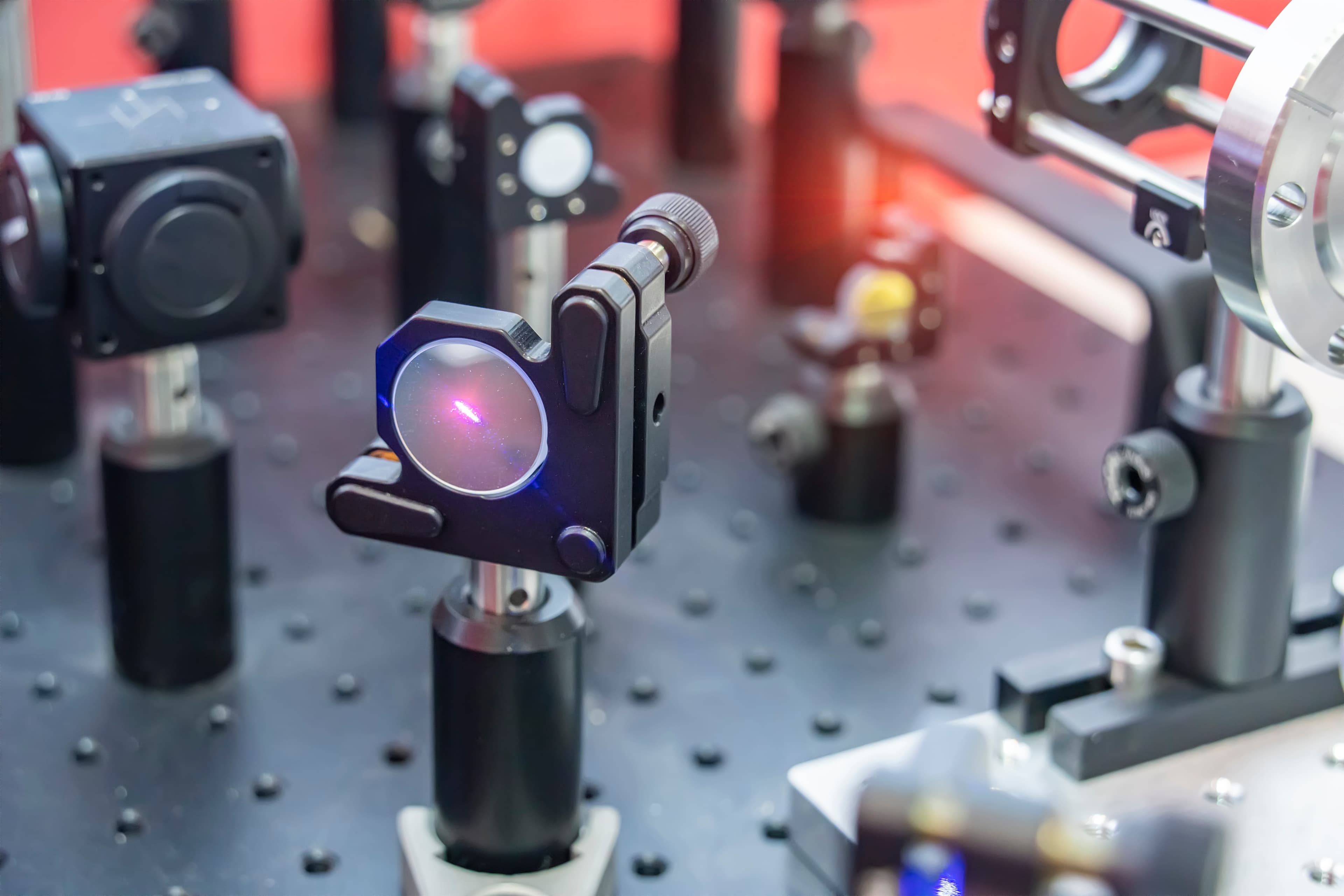
Custom ALD Chemistry Development
When a target film or substrate needs a new process, we work through precursor selection, co-reactant choice, and deposition parameters. Our ALD coating materials and thin-film design page outlines the film families we work with.
Precursor selection: Reactivity, volatility, thermal stability, and compatibility with the substrate.
Deposition parameters: Temperature, pulse and purge times, exposure, and cycle counts tuned for the part.
Material challenges: Nucleation delays, impurity incorporation, film stress, and interface quality.
Pilot Production and Process Transfer
Once a process works on prototypes, the focus shifts to running it the same way every time. We help move developed processes toward pilot and low-volume production by addressing:
Repeatability: Documented parameters and run-to-run checks to keep results consistent.
Capacity: Batch size, fixturing, and cycle time considerations for larger quantities.
Scaled work: Continued coating at VaporPulse, or process transfer to your facility, including custom ALD reactor systems built for the process.
Working with VaporPulse
- 01
Initial consultation
Discuss goals, constraints, and what success looks like for the coating.
- 02
Scope and plan
Agree on the development stages, sample quantities, and evaluation criteria.
- 03
Development and coating
Run development cycles and coat samples, with regular progress updates.
- 04
Deliverables
Coated parts plus the process and run information agreed for the project.
- 05
Next steps
Plan further iterations, pilot production, or process transfer.
We understand that R&D work often involves unreleased designs and proprietary materials. We are happy to discuss confidentiality requirements, including NDAs, before you share sensitive details.
Frequently Asked Questions
Q1. Do you work with university labs and startups?
Yes. Many of our projects come from research groups, startups, and SBIR/STTR-funded teams that need ALD expertise without investing in their own equipment.
Q2. How many development cycles does a new process usually take?
It depends on how far the target film and substrate are from an established process. Some projects need only minor adjustments, while new chemistries or difficult substrates may take several iterations. We set expectations during scoping and revisit them as results come in.
Q3. Can you sign an NDA before reviewing our project?
Yes. We regularly work on confidential R&D projects and can put an NDA in place before you share detailed designs or materials information.
Q4. What do I receive at the end of a development project?
Typically coated parts or samples for your own testing, along with the process and run information agreed during scoping. The exact deliverables, such as witness coupons, thickness measurements, or a summary of process conditions, are defined at the start of each project.
Q5. Can a process developed at VaporPulse move to production?
Yes. Once a process is proven on prototypes, we can continue coating pilot and low-volume runs, or support transferring the process to your facility, including custom ALD equipment designed to run it.